Why Kasb Exists
Building ethical institutions requires more than good intentions. It requires thoughtful design.
The Challenge We See
Organizations today possess remarkable capabilities. They optimize performance, measure productivity, manage risk, deploy technology, and scale globally. But purposeful organizations stand for something. They visualize a world they want to create and espouse the values that will get them there.
Yet many still struggle with a more fundamental question: How should an organization be designed so that ethical conduct becomes part of the way it actually operates? The challenge is ensuring that what an organization professes becomes reflected in how it governs, manages, decides, and serves.
Too often, ethics is treated as an aspiration rather than an operating principle. It appears in mission statements but not in incentive systems; in values documents but not in governance structures; in speeches but not in everyday management.
This disconnect is not merely a moral problem. It is an institutional design problem.
What Makes Kasb Different?
At Kasb Institute, we believe that ethical governance is not achieved through aspiration alone. It is built through the intentional design of institutions whose structures, systems, incentives, and culture enable people to act consistently with their moral commitments.
Unlike other firms, KI doesn't simply produce research, do consulting, or offer training. Our work is about change. So we design practical frameworks, standards, and organizational tools that help institutions translate moral commitments into everyday governance and management.
The Foundations of Our Work
Every framework, standard, methodology, and tool developed by Kasb Institute is grounded in a shared intellectual foundation.
Moral Architecture
The enduring principles that define just governance, responsible management, trustworthy leadership, and human flourishing.
Moral Translation
The discipline of converting timeless moral principles into practical organizational language, frameworks, systems, and methods.
Moral Capability
The institutional capacity to consistently produce decisions, behaviors, and outcomes aligned with an organization's moral commitments.
Moral Architecture defines the destination. Moral Translation designs the pathway. Moral Capability reflects the institution's capacity to sustain that journey in practice.
Leadership
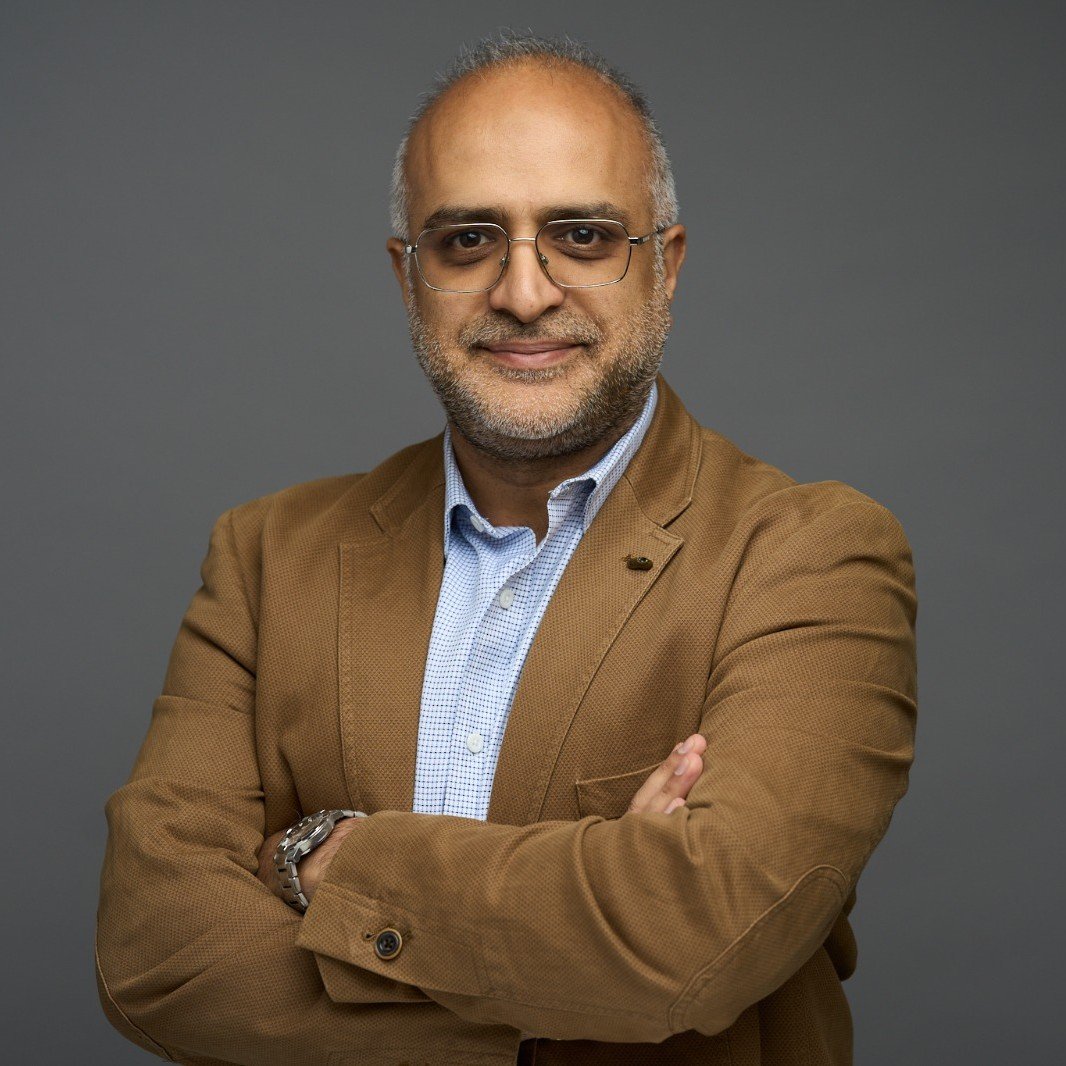
Sajjad Chowdhry
Co-Founder & Director of Institutional StrategyA strategist, institution builder, and executive with more than two decades of experience spanning corporate strategy, venture building, investment management, operations, and institutional development across North America and the Middle East. His academic background combines international affairs, Islamic studies, and finance, and his publications have explored moral responsibility in commerce, Islamic business ethics, human rights, leadership, and governance.
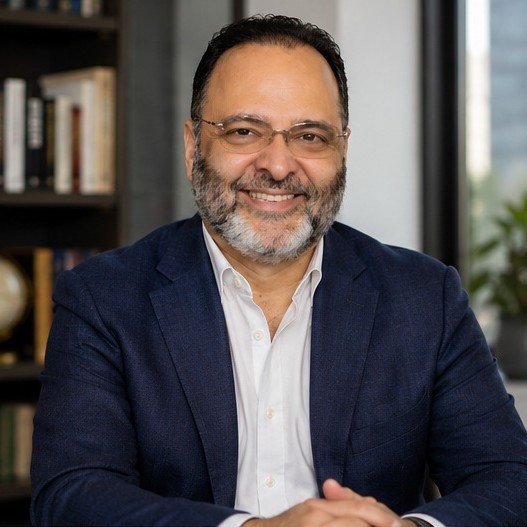
Abrar Ansari
Co-Founder & Director of Institutional DevelopmentA governance and organizational systems leader with more than three decades of experience helping mission-driven organizations strengthen strategy, governance, leadership, and institutional effectiveness. His career spans international consulting, sustainability, standards development, nonprofit governance, and organizational transformation, including roles at ERM, BSI, RE Tech Advisors, and Rights & Resources International.
Our Founding Vision
Kasb Institute was born from a shared conviction that one of the greatest challenges facing contemporary institutions is not a lack of ethical ideals, but the absence of practical systems that enable those ideals to shape everyday organizational life.
Abrar Ansari and Sajjad Chowdhry first met while serving as advisors to the Maqasid Institute, with complementary professional backgrounds and a shared commitment to exploring the practical application of Islam's moral tradition to governance, management, leadership, and institutional life.
Both founders believe that leadership, authority, and human capability are forms of amanah—a trust entrusted by God—and that the most enduring legacy is not personal achievement, but the institutions, ideas, and people that continue to create benefit long after one's own work is complete.